

Cingjing Farm Without a Car: How to Get There from Taichung
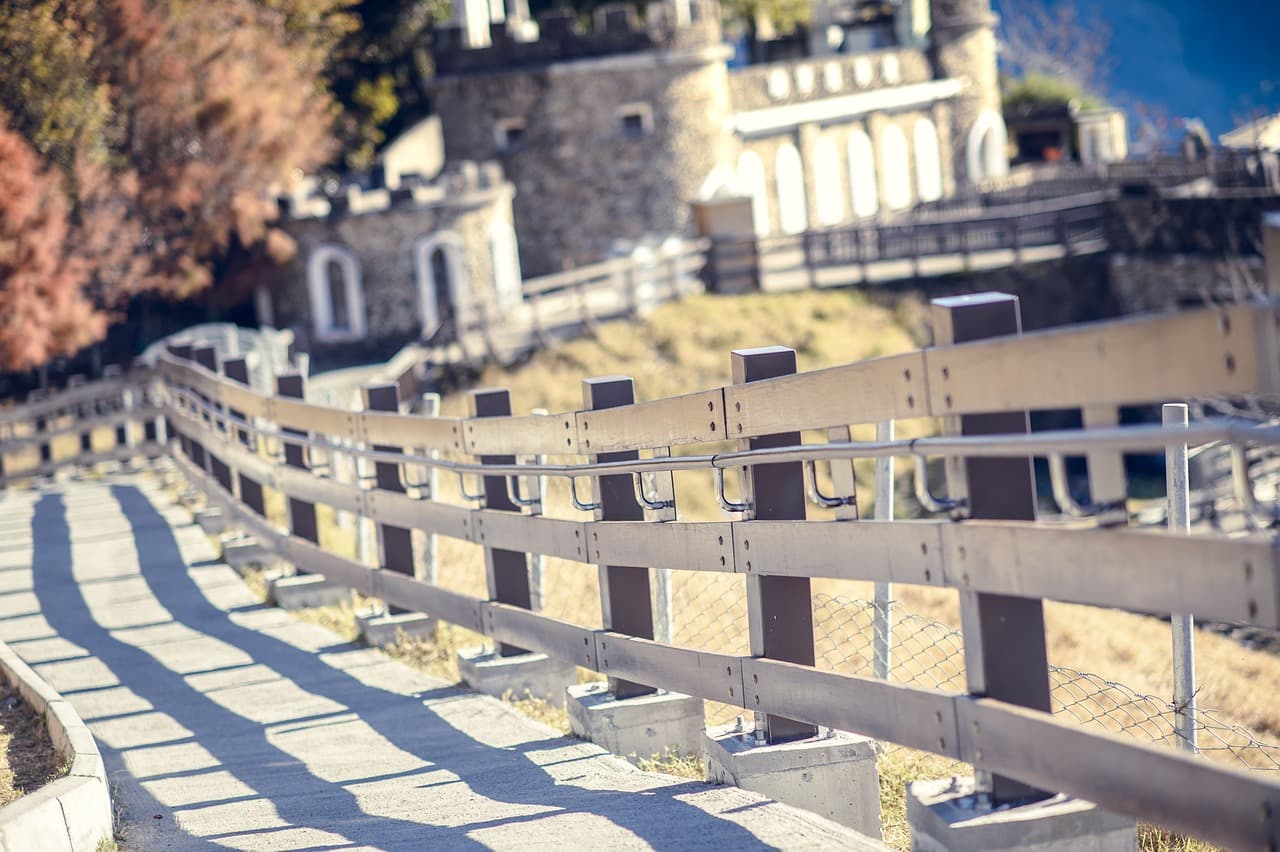
Photo: c0955825566 / Pixabay
Yes, you can get to Cingjing Farm without a car. Nantou Bus runs from Taichung to Puli in about an hour, you change at Puli for one of the Cingjing lines, and roughly three hours after leaving the city you are standing at 1,750 metres with a sheep walking past you as if you were the one grazing on its lawn.
Getting up the mountain is the easy part. The timetable is the part that catches people out, and it usually makes its announcement at exactly the moment you have found a nice patch of grass to sit on.
How long it really takes, and why the map undersells it
Cingjing sits on Provincial Highway 14A in Ren'ai Township, Nantou. On a map it looks like a short hop above Puli. In practice that short hop climbs from around 400 metres to 1,750, and it does it in a long series of curves that your stomach will insist on counting for you.
Rough times by road from Taichung city:
- Taichung to Puli: about 1 hour - Puli to Cingjing: about 50 minutes - Taichung straight through to Cingjing by car: about 2 to 2.5 hours - Cingjing up to Wuling and Hehuanshan: about another hour, climbing a further 1,500 metres - Sun Moon Lake to Cingjing: about 1.5 hours, since the two sit on opposite sides of Puli
Do it by bus and you add the transfer plus the waiting, so three hours each way is an honest estimate. Weekends, national holidays and the first cold snap of the winter all add to that, and mountain roads up here get traffic control on the busiest days. Check conditions the night before rather than at breakfast.
The bus version, and the one time of day that matters
Nantou Bus operates the Cingjing routes, and most of them start from Puli Bus Station. There are also morning departures from Taichung that run through to Cingjing without a change, which is lovely if your day happens to start when the bus does. Outside those hours the method is simple: Taichung to Puli first, then change.
Two warnings worth more than any fare table. First, not every service continues all the way up the mountain. Some terminate lower down at Songgang, which is a perfectly nice place that is not where you meant to go. Second, timetables and fares here change with the season and with road conditions, so confirm them with Nantou Bus before you commit a whole day to them.
And then there is the number that actually governs your day: the last bus down. It is earlier than you want it to be. Every season someone discovers this from the grassland, watching the bus pull out of the stop below, and there is a specific silence that follows that discovery. Write the departure time on your hand. We are only half joking.
What is actually up there, besides the sheep
Green Green Grasslands is the headline: an open ridge of pasture at high altitude, with sheep that have been thoroughly unimpressed by humans for several generations. There are scheduled sheep-shearing and horse-riding shows through the day, and the times vary by season, so check them on arrival rather than planning your morning around a guess.
The elevated walkway that runs along the ridge is the other reason people come. It lifts you above the slope so the valley opens out on both sides, and on a clear afternoon you can see the ridgelines stacking up into the distance like something badly over-rendered.
What most visitors walk straight past is the part we would send you to first. The villages around Cingjing were settled in the 1960s by families from the Yunnan and Burma border who came to Taiwan and were given land on a cold mountainside. They brought their food with them, and it is still here: rice noodle soup, pounded chilli, cured pork, flavours that belong to somewhere else entirely and have been at 1,750 metres for sixty years. In late October the community holds a torch festival, which is their new year, and the street fills with long shared tables. Dates move, so confirm them before planning a trip around it.
You can walk past all of that in twenty minutes and only remember the sheep. Please do not.
Going higher: Wuling, Hehuanshan and a sky with nothing in it
Above Cingjing the road keeps climbing to Wuling, at 3,275 metres the highest point reachable by road anywhere in Taiwan. A shuttle service runs from Cingjing up to Hehuanshan and back a few times a day, with limited seats and reservations strongly recommended. Do not assume you can decide at breakfast.
Two things nobody tells you. One, you will be noticeably short of breath walking a gentle slope, and you will blame the view rather than the altitude, which is a very human thing to do. Take it slowly, especially with children or grandparents in the group.
Two, Hehuanshan is a certified dark sky park, and that means something up here. On a clear night with no moon, the sky is not a backdrop with some stars on it. It has depth. People stop talking.
The jacket conversation
Cingjing runs roughly eight to ten degrees cooler than the plains below. We have watched a great many people arrive from a 28-degree afternoon in Taichung in a short-sleeved shirt, having thought, reasonably enough, how cold can Taiwan possibly get.
Quite cold, as it turns out, especially once the sun drops behind the ridge or the cloud comes in sideways, which it does without consultation. Bring a proper layer and something windproof even in summer. In deep winter, Hehuanshan sometimes gets snow, which closes roads, requires chains and brings out half of Taiwan in one weekend.
Can you add Sun Moon Lake on the same day?
You can. We would rather you did not.
It is around ten hours door to door, and most of those hours are spent in a seat looking at the back of the seat in front. You will see two famous places and remember a vehicle. If you have one day, pick one. If you have two, do the lake on the first day, sleep in Puli or at Cingjing, and go up the mountain in the morning when the light is still low and the grassland has not filled up yet. Early morning up there is quiet in a way that is genuinely worth rearranging a trip for.
Who should take the bus, and who should not
Take the bus if you are travelling light, in a group of one to three, happy to build the day around a timetable, and staying overnight so the last departure is not holding a knife to your afternoon. It is good value and the ride itself is scenic.
Think harder if you are carrying luggage between hotels, travelling with young children or grandparents, hoping to reach Hehuanshan for sunrise or stars, or trying to combine Cingjing with anywhere else in one day. The bus does not wait, the shuttle seats run out, and nothing on that mountain is walkable from anything else.
So, do you need a driver?
For a straightforward overnight at Cingjing, honestly, no. The bus does that job.
Where a car with a driver changes the day is when the clock stops being your boss: airport to the mountain with luggage, the 4am run up to Hehuanshan for sunrise, three generations of one family who should not have to take turns being the one who says they need a rest, or a route that strings Cingjing together with the lake, a tea mountain or the road onward. If that sounds like your trip, you can put the route and the group size into the charter builder at formozaic.tw and see what shape it takes. If it does not, take the bus and write the last departure time on your hand.
Ready to turn this into a journey?
Start planning